
I’ve spent a lot of my career thinking about efficiency.
As a father and someone who runs a business, I’ve tried to be intentional about how time, energy, and decisions get made. For a long time, I believed strong leadership meant staying close to everything, anticipating problems, guiding conversations, and stepping in before things went off the rails.
But a recent experience outside of work reminded me that sometimes the most efficient leadership move is doing less.
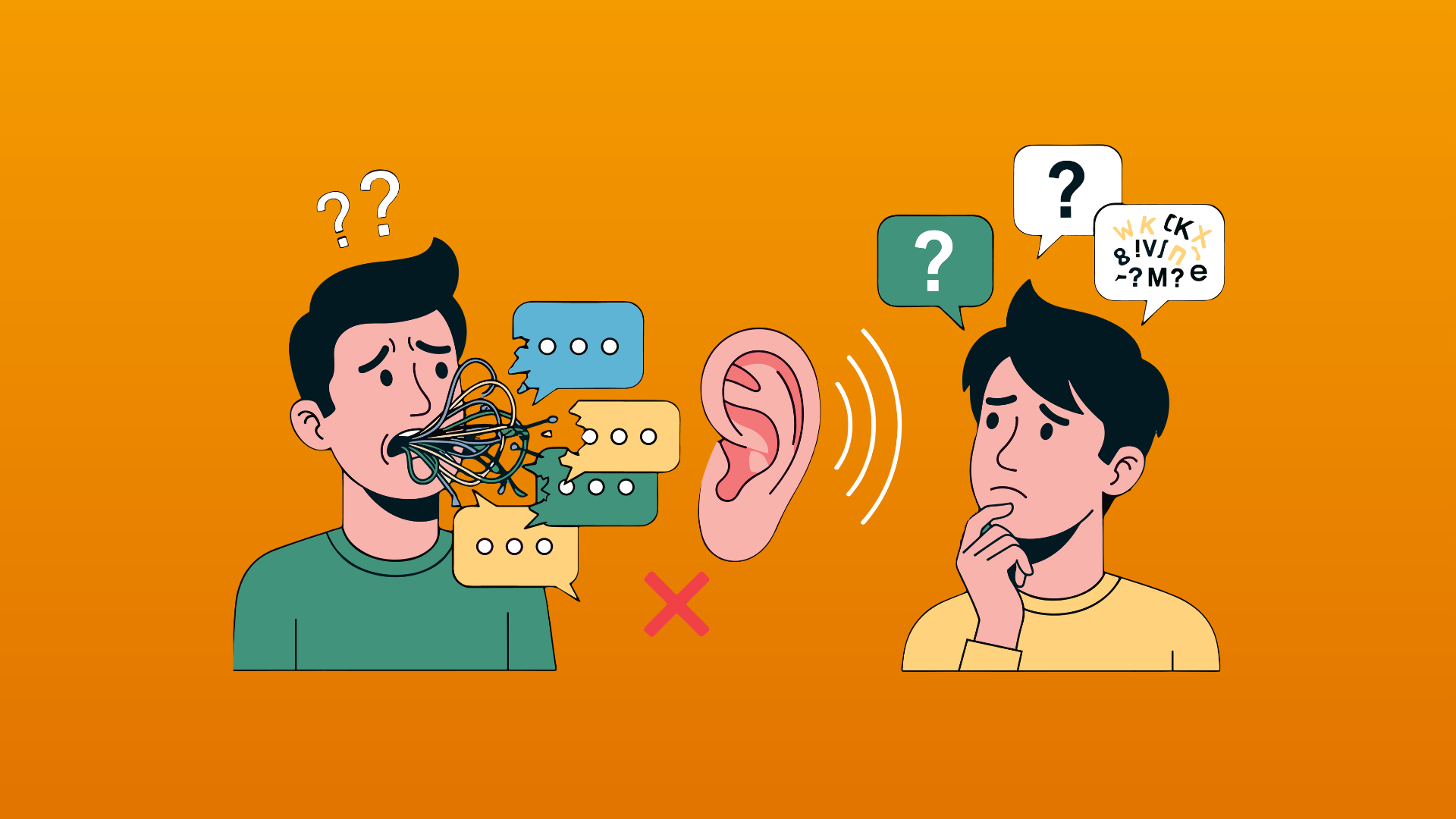
I’m on the strata council where I live, and I helped facilitate our Annual General Meeting around a long-running issue with landscaping. There is always constant disagreement around whether or not our landscapers are doing “enough” work; sometimes the argument goes to: “are we paying them too much?” and other times it’s “they are doing too much and trimmed my trees too much”. Tension had been building for months between homeowners and the landscaping company. As a council, we positioned ourselves as the middle layer collecting feedback, being the middleman and managing the discussion, and trying to keep things productive.
Instead, it got messy fast.
People were frustrated. Conversations went in circles. Despite good intentions, our involvement wasn’t improving communication; it was slowing it down.
At one point, we changed course. Rather than continuing to mediate, we stepped back and let homeowners speak directly with the landscapers.
Within about twenty minutes, everything shifted.
The tone softened. Misunderstandings cleared up. Practical solutions surfaced. What months of back and forth hadn’t resolved was addressed almost immediately because the right people were finally talking to each other without interference. We essentially took a step back from being the middleman, and let the homeowners and the landscapers talk directly with each other to minimize miscommunication.
It was a clear reminder: sometimes leadership becomes friction.
When Leaders Create Bottlenecks

I’ve seen the same thing happen in business.
Leaders often confuse presence with impact. We stay involved because we care. We want to be helpful. But constant involvement can create dependency. Decisions slow down. Ownership fades. Teams wait instead of acting.
It doesn’t look like a leadership problem at first. It looks like a team problem.
But a lot of the time, what gets labeled as disengagement is actually a response to unclear decision-making and low trust. If people don’t feel empowered to solve problems, they stop trying.
I’ve been guilty of that myself.
Clarity Beats Control
A healthy team shouldn’t rely on one person being present at all times. If progress stops the moment someone steps away, the issue isn’t commitment it’s structure.
Strong teams have shared context. They make decisions close to the work. They don’t need constant oversight to move forward.
That doesn’t mean leaders disappear. It means being more intentional about where involvement adds value and where it simply adds noise. The leader’s role is to cast the vision and set the destination not to dictate the route. When there’s clear communication and genuine trust, the how becomes the employee’s domain. What matters is the outcome, not the orthodoxy of the path taken to reach it.
The strata meeting was a reminder that delegation isn’t a leadership style. It’s an operational requirement.
The Real Efficiency Move
You don’t need to be in every conversation.
You don’t need to manage every interaction.
You don’t need to solve every problem personally.
Sometimes the best thing a leader can do is create the conditions for others to solve the problem then step back far enough to let it happen.
I’m still learning this. But every time I apply it, the outcome is the same: better conversations, stronger ownership, and systems that work without constant supervision.
That isn’t absence.
That’s leadership.
Takeaway: If you want better decision-making and stronger team ownership, reduce leadership bottlenecks and build clarity into the system.