Every time I hear a business owner blame AI for threatening their company, I want to ask one question: What were you doing for the last decade?
Because here’s the uncomfortable truth: AI didn’t disrupt your business. You did. You chose comfort over change. You chose process over progress. You chose to coast when you should have been moving. And now that the market is catching up, you’re pointing fingers at technology instead of looking in the mirror.
The market doesn’t owe you survival. It never did. And if you’re waiting for sympathy, you won’t find it here.
Nobody Owes You Market Share
Let’s start with the hardest truth: your market position was never guaranteed. The businesses crying disruption today are the same ones that sat on their hands for years while the world changed around them.
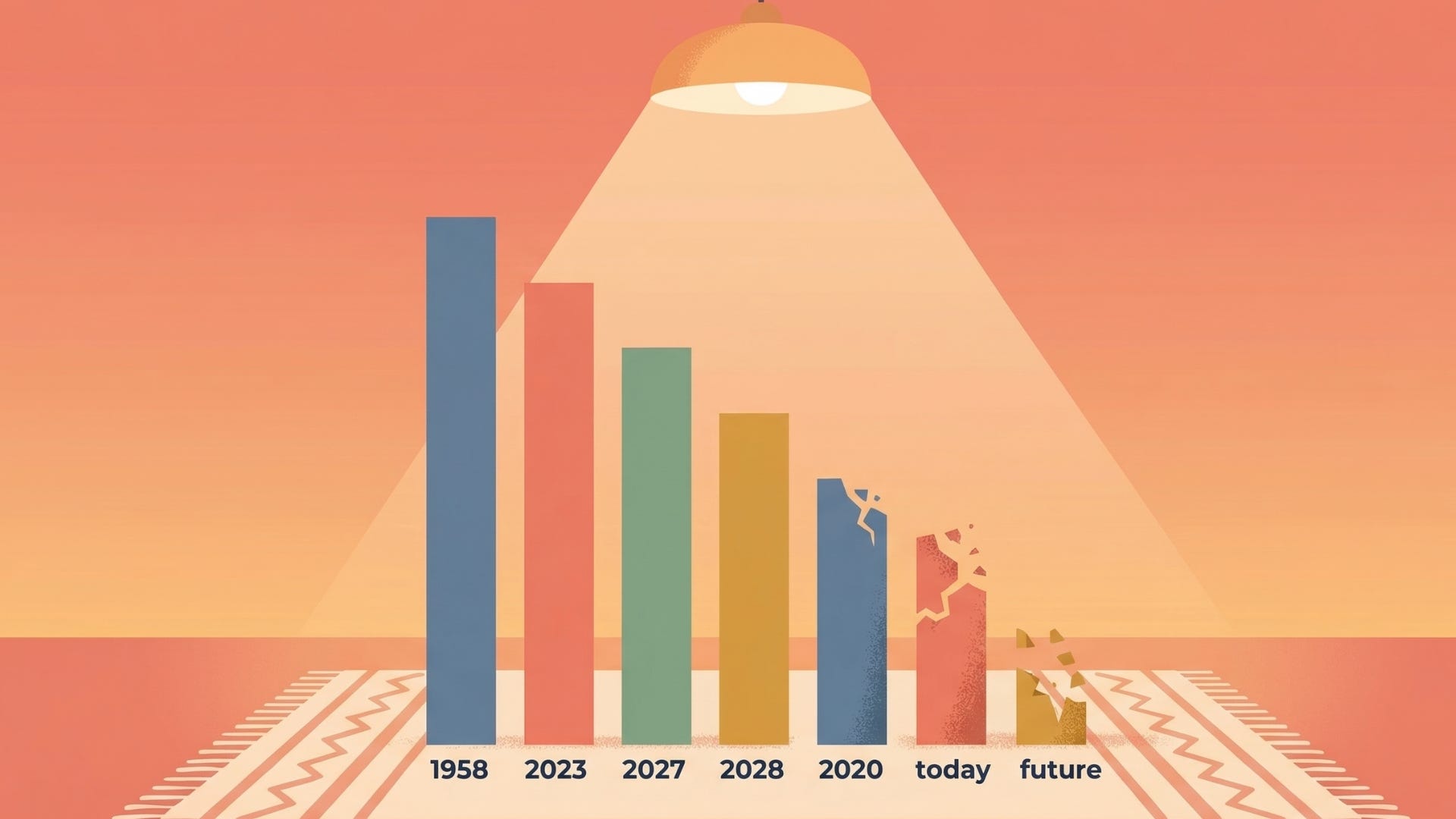
Here’s the data that should terrify you. In 1958, the average lifespan of a company on the S&P 500 was 61 years. Today? Under 18 years. McKinsey projects that by 2027, 75% of the companies currently on the list will be gone. Not because AI killed them. Because they refused to evolve.
The Entitlement Era Is Over
For decades, established businesses operated under an unspoken assumption: if you’re big enough, you’re safe enough. Hierarchy protected you. Legacy gave you a moat. Brand recognition bought you time.
That era is dead.
The companies disappearing from the S&P 500 aren’t victims of some unstoppable AI wave. They’re casualties of their own complacency. They had years, not months, to adapt. They had access to the same tools, the same talent, the same information as everyone else. They chose not to use them.
And now they’re paying the price.
The Comfort Tax
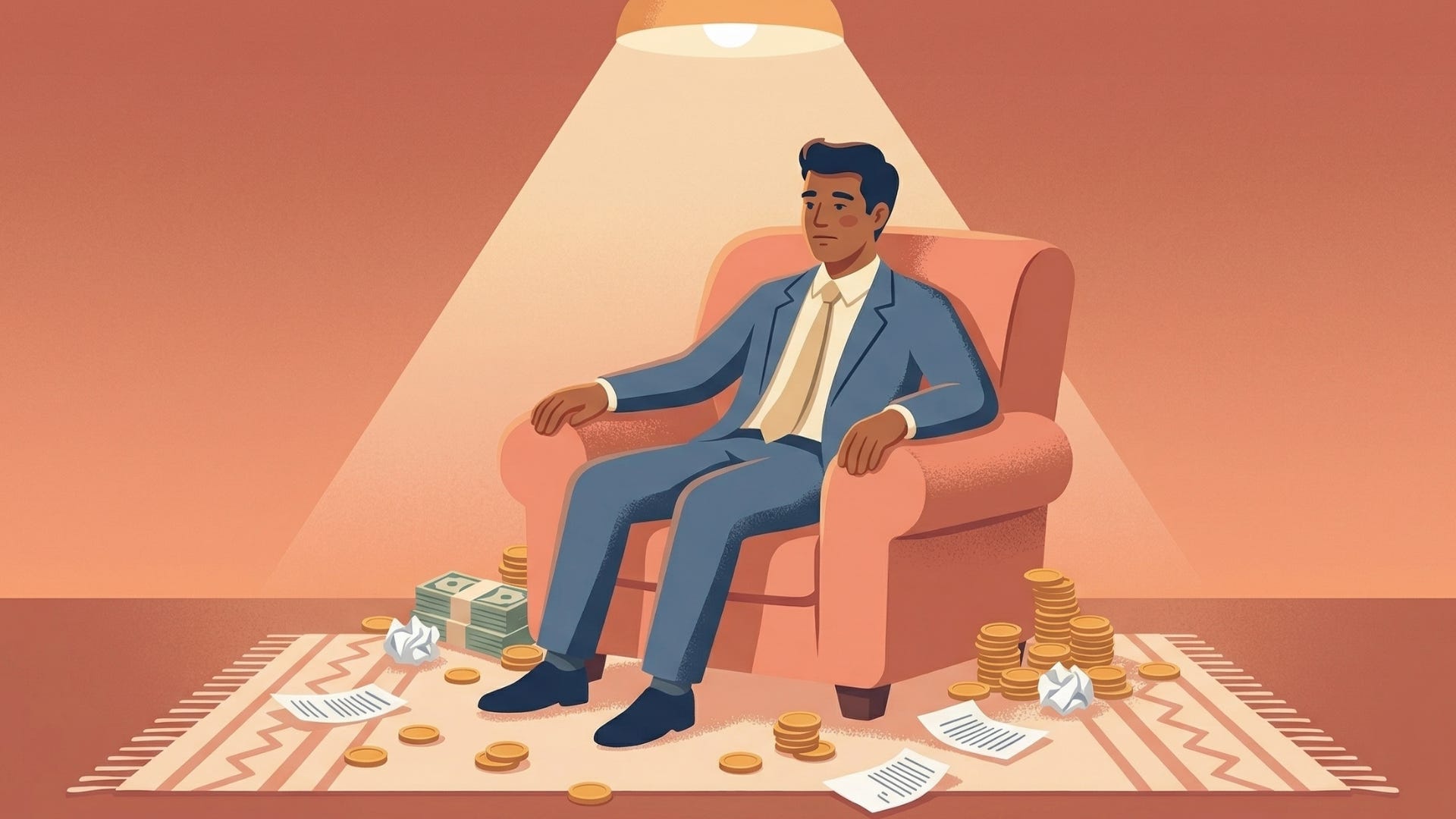
Complacency isn’t free. Every year you coast, you’re paying a hidden cost in market relevance, competitive position, and talent retention. I call it the Comfort Tax, and it compounds faster than you think.
What Coasting Actually Costs You
Deloitte’s analysis shows that the right combination of digital transformation actions could unlock $1.25 trillion in additional market capitalization across all Fortune 500 companies. That’s not future potential. That’s value being left on the table right now because companies are too comfortable to move.
Meanwhile, 67% of digital transformations are delayed due to skill shortages, not budget constraints. Translation: businesses aren’t failing because they can’t afford to change. They’re failing because they didn’t build the capability to change when they had the chance.
The Compounding Effect of Doing Nothing
Here’s what people don’t understand about the Comfort Tax: it accelerates over time. Year one, you’re a little behind. Year two, you’re losing talent to more innovative competitors. Year three, your customers are noticing. Year five, you’re scrambling to catch up while new players eat your lunch.
By the time you realize you’re in trouble, you’re not just behind. You’re obsolete.
The Gap Between What Exists and What’s Used
The tools are there. The solutions are there. The roadmap is there. Most businesses just refuse to use them.
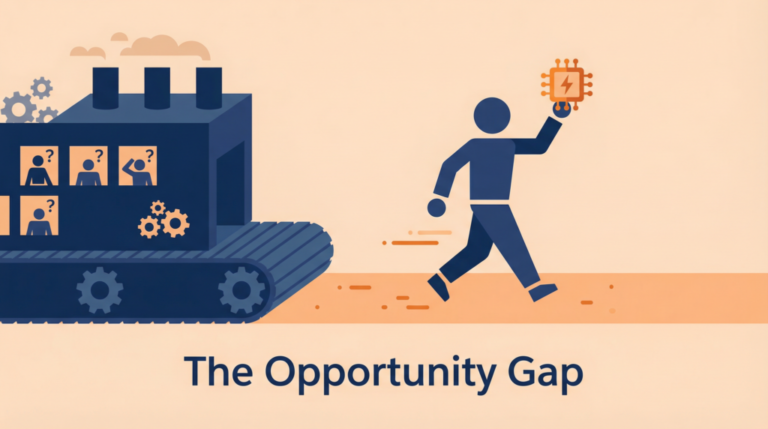
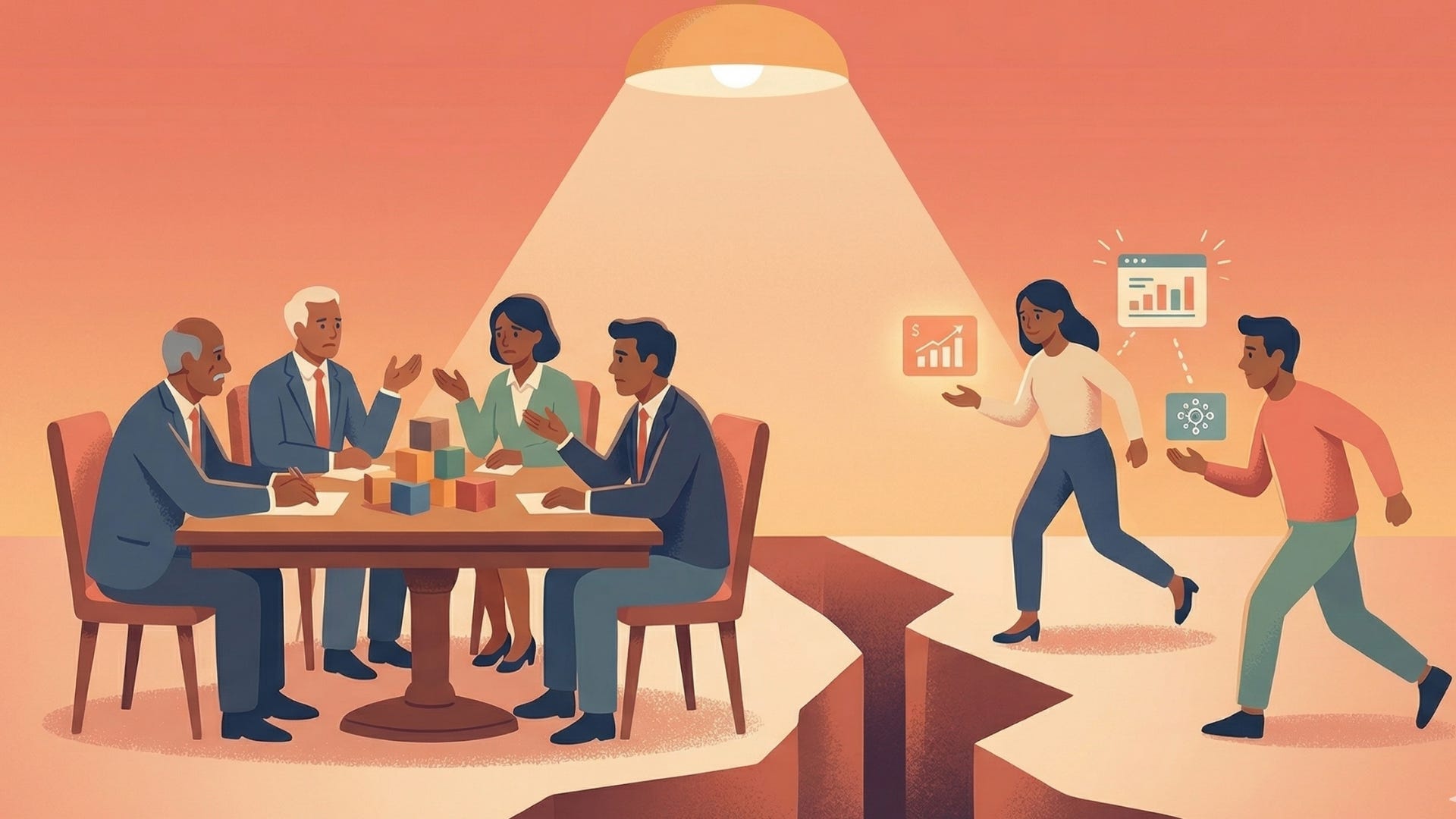
That gap, between available technology and adopted technology, is where new players dismantle incumbents. Not because they’re smarter. Not because they’re better funded. Because they’re willing to move while you’re still holding committee meetings about whether change is really necessary.
Available vs. Adopted
AI tools have been commercially available and accessible for years. Cloud infrastructure has been mainstream for over a decade. Automation platforms are cheaper and easier to deploy than ever. The barrier to entry isn’t cost. It isn’t complexity. It’s willingness.
And most established businesses simply aren’t willing. They’re too invested in the way things have always been done. Too protective of legacy systems that “still work.” Too afraid of disrupting their own operations to avoid being disrupted by someone else.
So they wait. And while they wait, someone else fills the gap.
What the Winners Look Like
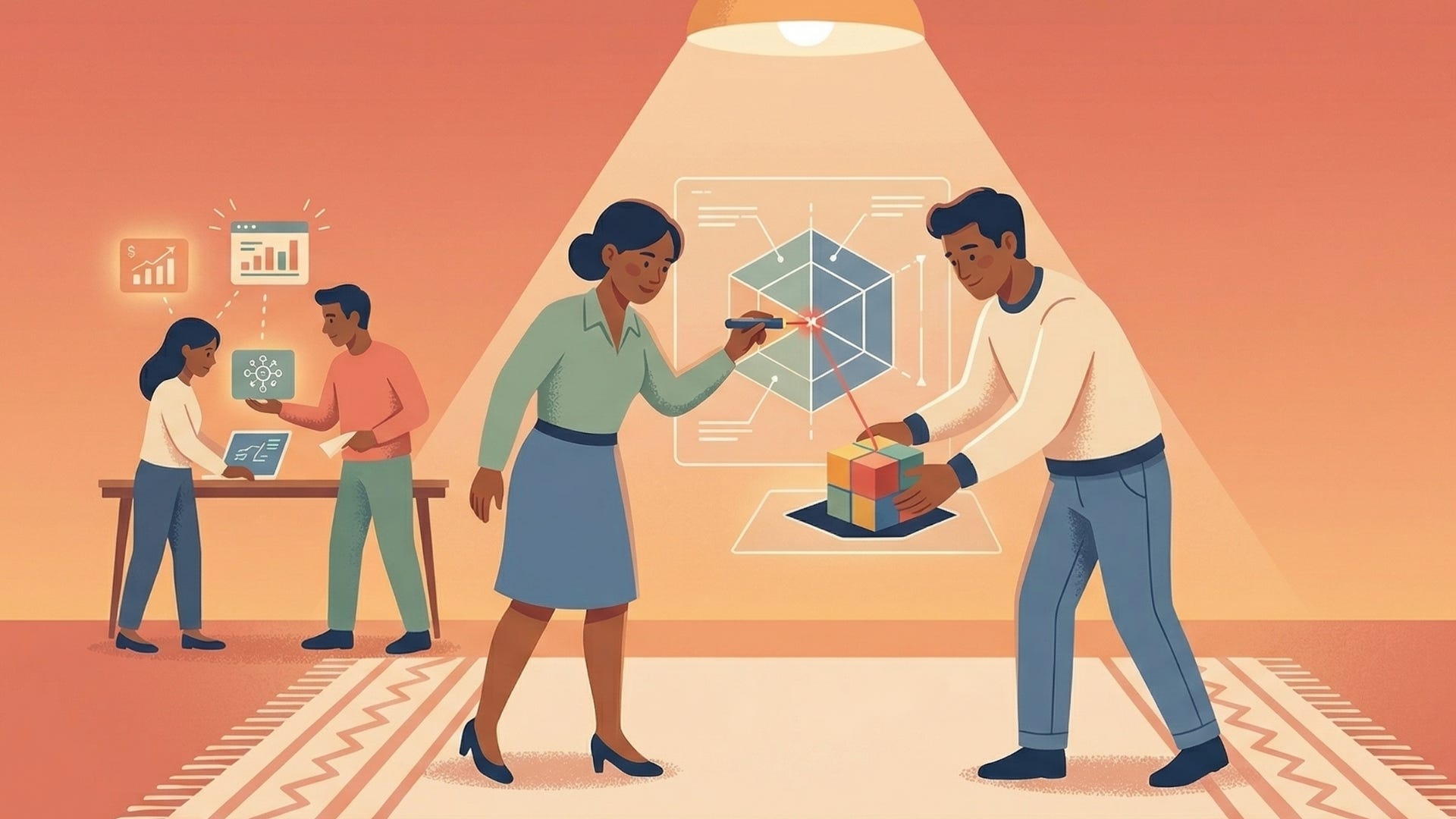
The businesses that thrive right now share a set of traits that have nothing to do with size, industry, or resources. They’re deliberate, lean, and relentless. They kill sacred cows. They move fast but smart. They understand the difference between grinding and executing.
Lean, Deliberate, Relentless
Smart businesses don’t chase every shiny new tool. They don’t pivot every quarter. They identify high-impact opportunities, execute with focus, and iterate without hesitation. They don’t mistake activity for progress.
They also understand something critical: rest is strategic, burnout is stupid. Sustainable high performance means knowing when to push and when to recover. It means being deliberate about where you spend energy, not grinding yourself into the ground for the sake of looking busy.
This isn’t soft. This is tactical. The businesses that win are the ones that optimize for doing shit that matters, not doing more shit.
Move Now or Move Over
So here’s where we are. The market is moving. Technology is accelerating. The gap between leaders and laggards is widening every single day. And if you’re still sitting in meetings debating whether you should start thinking about maybe exploring a digital strategy, you’ve already lost.
You don’t get points for being comfortable. You don’t get credit for legacy. The market doesn’t care how long you’ve been around. It cares whether you’re solving problems better than the next option.
And if you’re not? Someone else will.
The uncomfortable truth is this: most businesses that fail to adapt deserve what they get. Not because they’re bad people. Not because they’re incompetent. But because they had every opportunity to evolve and chose not to. They saw the writing on the wall and decided it didn’t apply to them.
AI didn’t do this to you. You did this to yourself.
If You’re Ready to Stop Being One of the Comfortable Ones
If you’re reading this and recognizing your own business in the uncomfortable parts, good. That means you’re not too far gone. Recognition is the first step toward change.
The businesses I work with aren’t interested in excuses. They’re not looking for someone to tell them change is easy or that they can keep doing what they’ve always done. They want to identify the gaps, close them fast, and build operations that actually scale without burning out their teams.
If that’s you, let’s talk. I help SMBs stop wasting time on low-value work and start executing on what actually moves the needle. No fluff. No theory. Just deliberate, high-impact strategy that gets results.
Reach out at [email protected]. Let’s close your opportunity gaps before someone else does.